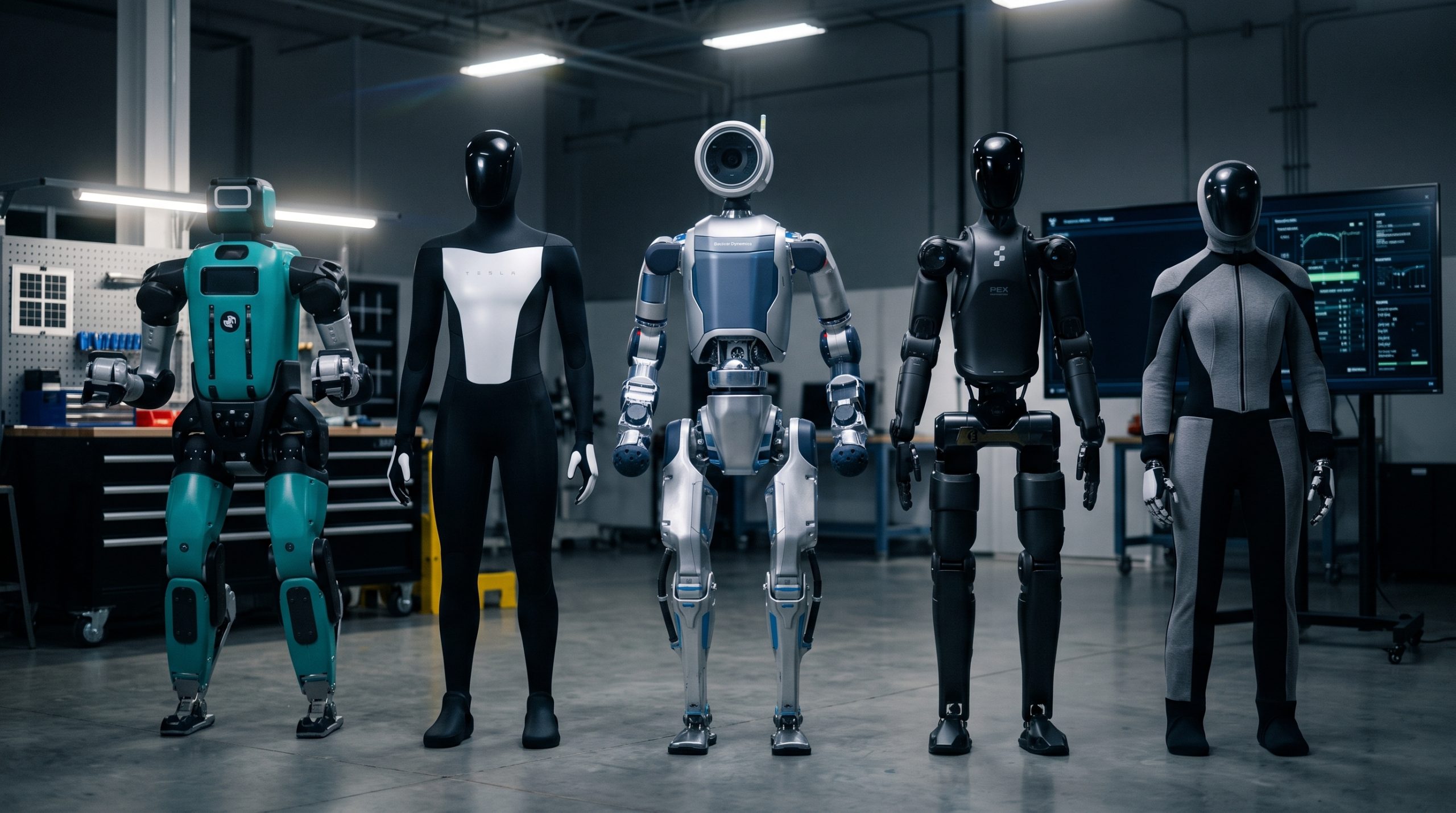
The convergence of multimodal foundation models and dynamic bipedal hardware has driven embodied artificial intelligence from research laboratories directly into commercial reality. As of October 2026, autonomous humanoids are moving beyond pre-programmed routines, using vision-language-action (VLA) models and spatial neural networks to perceive dynamic environments, adapt to unexpected obstacles, and perform complex physical labor alongside human workforces.
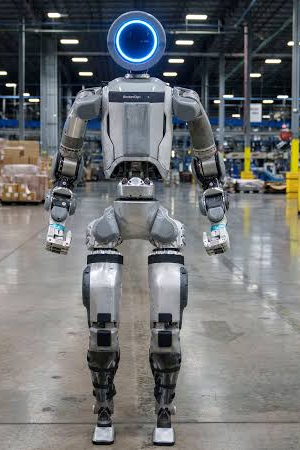
1. Boston Dynamics Electric Atlas
Replacing its hydraulic predecessor, the all-electric Atlas represents the benchmark for physical agility and industrial resilience in humanoid robotics.
Featuring 56 degrees of freedom and fully rotational joints that allow movements beyond human biomechanical limits, Atlas boasts instantaneous payload capacities of up to 50 kilograms. Co-developed with Google DeepMind for real-time decision-making, the machine relies on full-body reinforcement learning, 360-degree LiDAR, and depth-sensing cameras to navigate demanding industrial settings. Fleet units are deployed within Hyundai Motor manufacturing facilities to manage automotive parts sequencing and heavy material transport.
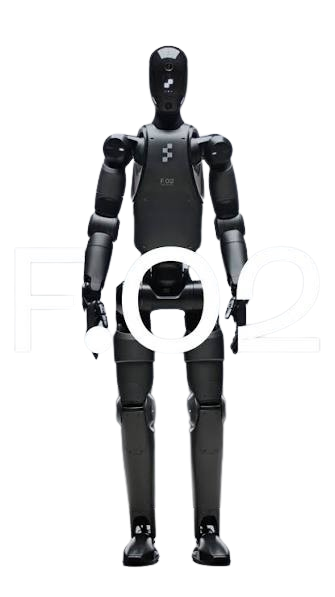
2. Figure 02 (Figure AI)
Engineered as an end-to-end AI-first platform, Figure 02 translates multimodal sensory input into physical manipulation with human-like dexterity.
The robot integrates onboard vision-language models capable of understanding spoken conversational instructions and reasoning through multi-step industrial assembly tasks in real time. Its fifth-generation hands provide 16 degrees of freedom paired with integrated tactile feedback across each finger, allowing it to manipulate sheet metal and wiring harnesses. Figure 02 has completed extensive testing inside BMW’s manufacturing plants, proving its ability to work autonomously on active vehicle production lines.
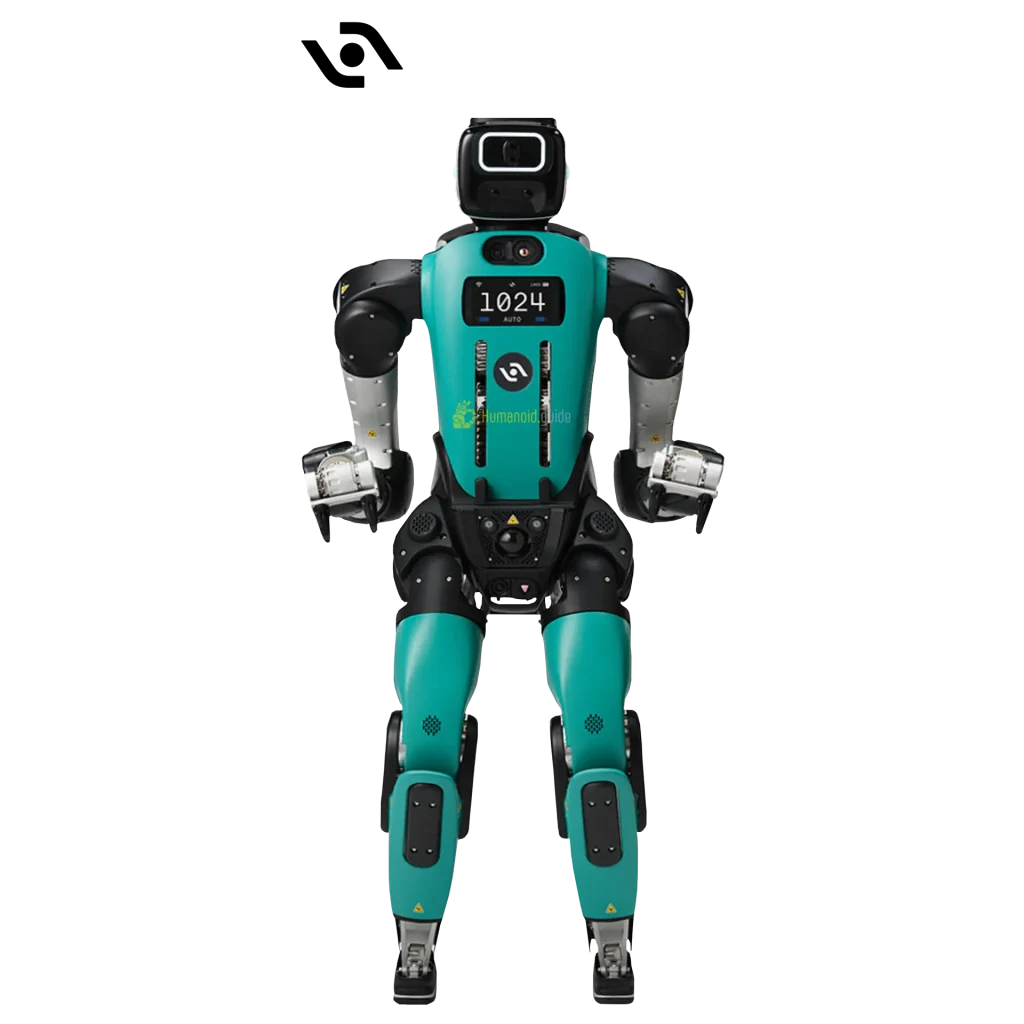
3. Agility Robotics Digit
Digit stands as the industry leader in sustained commercial hours and revenue-generating warehouse deployments. Purpose-built for logistics and material flow, Digit utilizes a backward-canted bipedal stance optimized for tight aisles, steps, and payload stabilization.
Under commercial contracts with operators like GXO, Toyota, and Mercado Libre, fleets of Digit robots have autonomously moved well over 100,000 supply totes between conveyors and shelving. Its AI stack maps variable warehouse environments in real time, navigating unexpected obstacles and coordinating tasks alongside autonomous mobile robots.
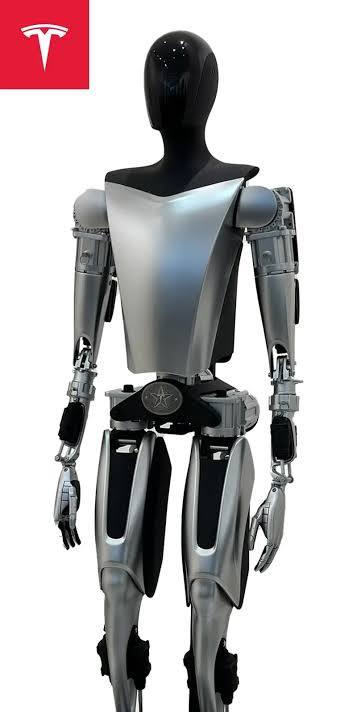
4. Tesla Optimus
Standing 173 centimeters tall, Tesla’s Optimus leverages the company’s end-to-end vision neural networks and inference silicon—the same underlying AI architecture that drives its automotive Full Self-Driving system. By training directly on large-scale video datasets and human teleoperation demonstrations, Optimus maps unstructured workspaces purely through visual perception. Fleets of the bipedal robot operate on Tesla gigafactory floors, where they autonomously sort battery cells, transport tooling, and insert components using hands equipped with tactile sensing and dexterous actuation.
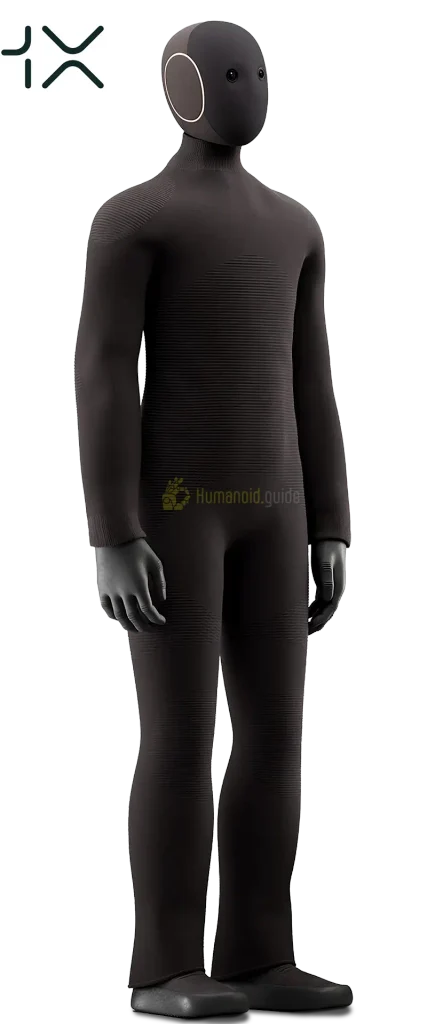
5. 1X NEO
While most advanced humanoids target heavy manufacturing, 1X’s NEO leads the transition into residential and domestic assistance. Designed to operate safely around families, the humanoid features an ultra-lightweight frame encased in a soft, padded fabric suit rather than rigid industrial plastics or exposed metals. NEO utilizes embodied neural networks trained via imitation and self-supervised learning, allowing it to navigate domestic spaces, handle delicate household objects, and organize rooms. With early commercial units shipping to private households, it represents the leading real-world testbed for consumer-facing embodied AI.
Leave a Reply